Hardware Catalog
Real NVIDIA products, real prices, cited sources. Every number has a plain-words explanation next to it.
.png) Wikimedia Commons / ZMASLO
Wikimedia Commons / ZMASLO
Desktop GPU
NVIDIA GeForce RTX 4090
The cheapest real entry point into local AI compute
☆☆☆☆☆ No ratings yetPrice$2,755
What you'd pay today, new, for one card. Street price as of July 2026. NVIDIA discontinued production in Q1 2024 (launch MSRP was $1,599), so there's no current MSRP — this is what retailers actually charge now.
Memory24 GB GDDR6X
How much model + working data can live on the card at once. Run out and the model won't load, full stop.
Power draw450 W
Electricity draw at full load. Sets your minimum power supply size and shows up on your electric bill.
 NVIDIA press image
Desktop GPU
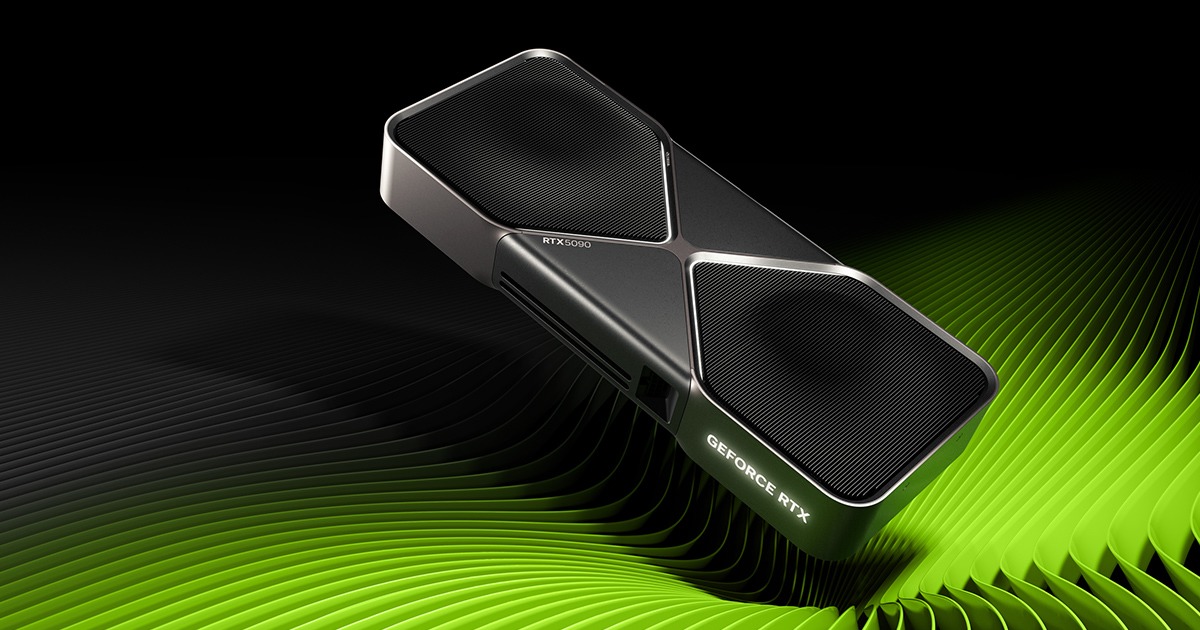
NVIDIA GeForce RTX 5090
Current-generation flagship desktop card
☆☆☆☆☆ No ratings yetPrice$1,999
NVIDIA's list price — actual retail is higher right now. NVIDIA's official MSRP at launch (Jan 2025). Street prices in mid-2026 are running $3,000+ due to memory-chip shortages — treat $1,999 as a floor, not what you'll actually pay.
Memory32 GB GDDR7
8GB more than the 4090, which matters once a model's weights get close to the card's ceiling.
Power draw575 W
125W more than the 4090 draws — a real jump in PSU and cooling requirements.
 NVIDIA press image
Workstation GPU
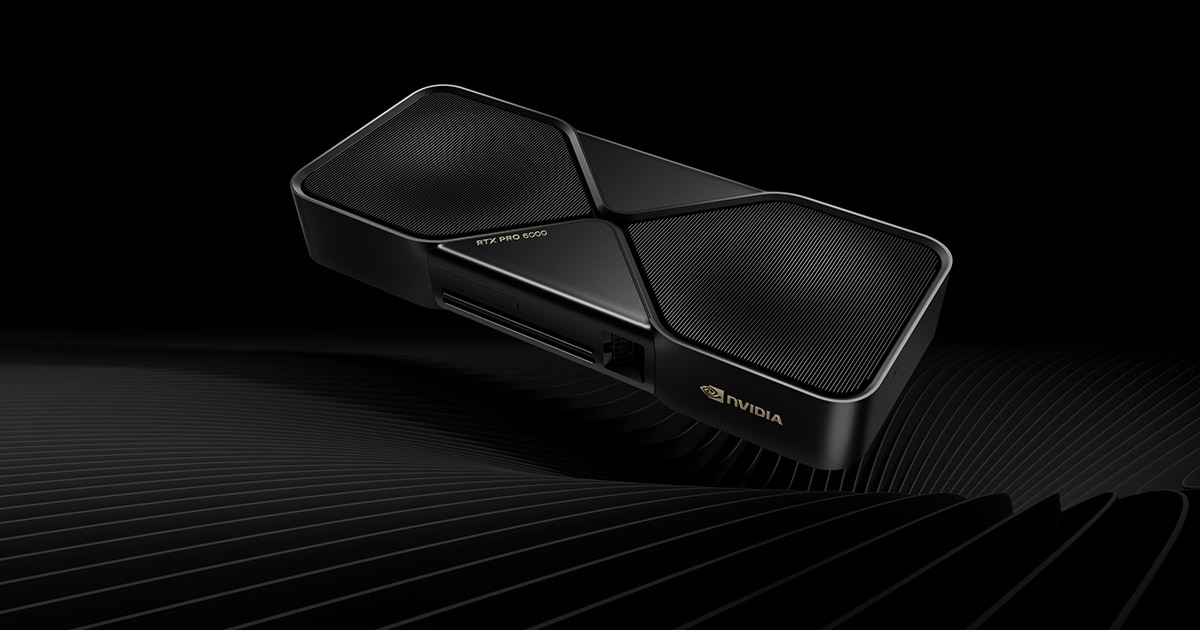
NVIDIA RTX PRO 6000 Blackwell (Workstation Edition)
The cheapest way to get 96GB on one card
☆☆☆☆☆ No ratings yetPrice$8,565
Roughly 3-4x an RTX 5090, but one card replaces three of them for memory-bound work. NVIDIA's launch MSRP (March 2025). NVIDIA's own online marketplace lists it at $13,250 as of 2026 — demand has pushed real prices well above MSRP.
Memory96 GB GDDR7 (ECC)
96GB is the largest memory pool available on a single card that fits in a normal workstation — this is what unlocks running genuinely large models without splitting them across GPUs.
Power draw600 W
Needs serious case airflow and often a dedicated circuit if you're running more than one.
 NVIDIA press image
Datacenter GPU
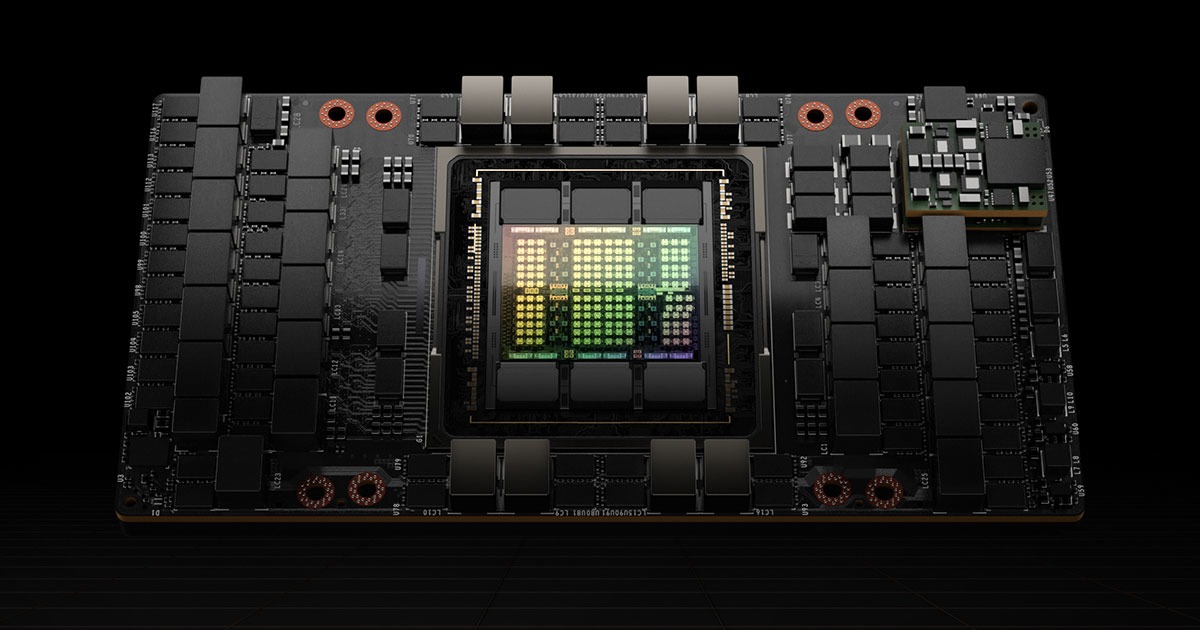
NVIDIA H100 SXM (80GB)
The industry-standard datacenter training/inference chip
☆☆☆☆☆ No ratings yetPrice$30,000
This is per GPU, not a full machine — H100 SXM chips are soldered onto a server baseboard, not something you drop into a desktop. Purchase price range is $25,000-$40,000 per GPU as of Q1 2026, depending on vendor and volume; $30,000 used here as a representative mid-point.
Memory80 GB HBM3
HBM3 is much faster than the GDDR memory on desktop cards, which matters for serving many users at once, not just fitting a model.
Power draw700 W
Datacenter GPUs run hotter and harder than desktop cards — this is sustained draw, not a peak spike.
 NVIDIA press image
Datacenter Node
NVIDIA DGX H100 (8x H100 node)
8 H100s pre-wired into one machine with NVLink
☆☆☆☆☆ No ratings yetPrice$350,000
This is the realistic way to actually own H100 compute — a fully integrated server, not 8 loose chips you assemble yourself. Complete systems run $300,000-$400,000 depending on configuration and support contract; $350,000 used as a representative mid-point.
Source: https://nodestream.blockwaresolutions.com/blog/understanding-nvidia-dgx-h100-cost-and-value/
Memory640 GB HBM3 (8x 80GB, NVLink-connected)
The 8 GPUs' memory is linked by NVLink/NVSwitch at 900GB/s per GPU, so large models can be split across all 8 with minimal slowdown — genuinely different from 8 separate cards.
Power draw8,500 W
Dual 3.2kW power supplies; real sustained draw under full load lands around 8.5kW — comparable to running several central AC units at once.
 Wikimedia Commons / Pokiiri, CC BY-SA 4.0
Datacenter Rack
NVIDIA GB200 NVL72 (full rack)
72 Blackwell GPUs acting as one giant machine
☆☆☆☆☆ No ratings yetPrice$2,500,000
This buys an entire 48U rack — GPUs, CPUs, networking, and liquid cooling — not individual components. Reported pricing is $2-3 million per rack; $2.5 million used as a representative mid-point.
Memory13500 GB HBM3e (unified across 72 GPUs)
13.5TB is treated as one addressable pool across all 72 GPUs via NVLink — this is what lets frontier-scale models run without users noticing they're spread across dozens of chips.
Power draw132,000 W
NVIDIA's nominal spec is 120kW; deployed racks measure 130-132kW under full load. This requires direct liquid cooling — air alone can't remove this much heat from one rack.